Emulating a recursive torus frog brain to eat drosophila simulations in 70 milliseconds
Posted: Thu Oct 01, 2026 5:22 pm
The current estimates for costs to upload people to computers are very grim.
The jist is that neuromophic computing is in its research infancy and Jensen Huang and Lisa Su are not going to save anyone but their shareholders from 2003 with GPUs.
Although GPUs may be capable of creating forms of general and superintelligence: they are not the economical architecture to run computer programs emulating a biological brain.
At the brain preservation conference, I learned that Allen institute is taking one hour to simulate one second of a mouse brain on a supercomputer. This is a big problem both for iteration speed, and because if people are gonna be revived then ideally it would be realtime or faster!
Meanwhile, I've been working on figuring out how to reduce costs for my robot fleet's electronics and came accross this chip called RP2040. It's used for robots as a replacement for last gen ATmega328P microcontrollers.
That's when I had the idea.
Based on my analysis of the current costs of uploading a frog and human, it is currently not looking great for existing neuromorphic chips.
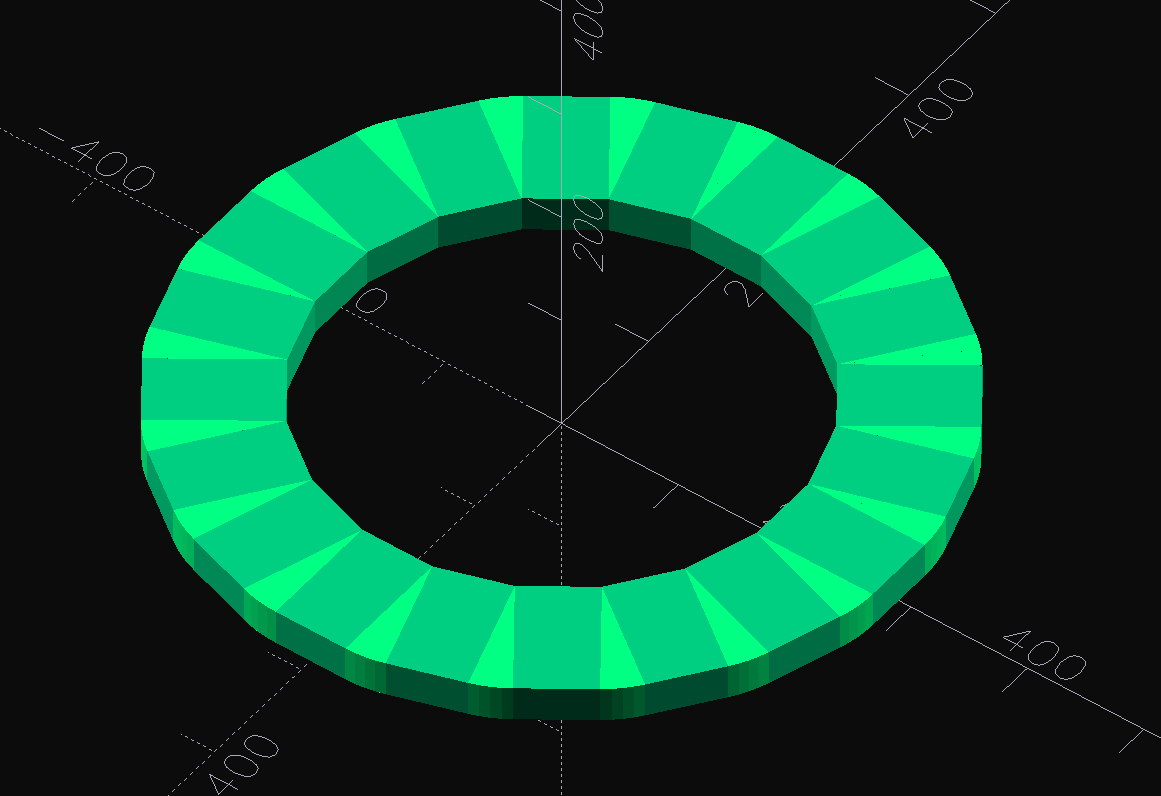
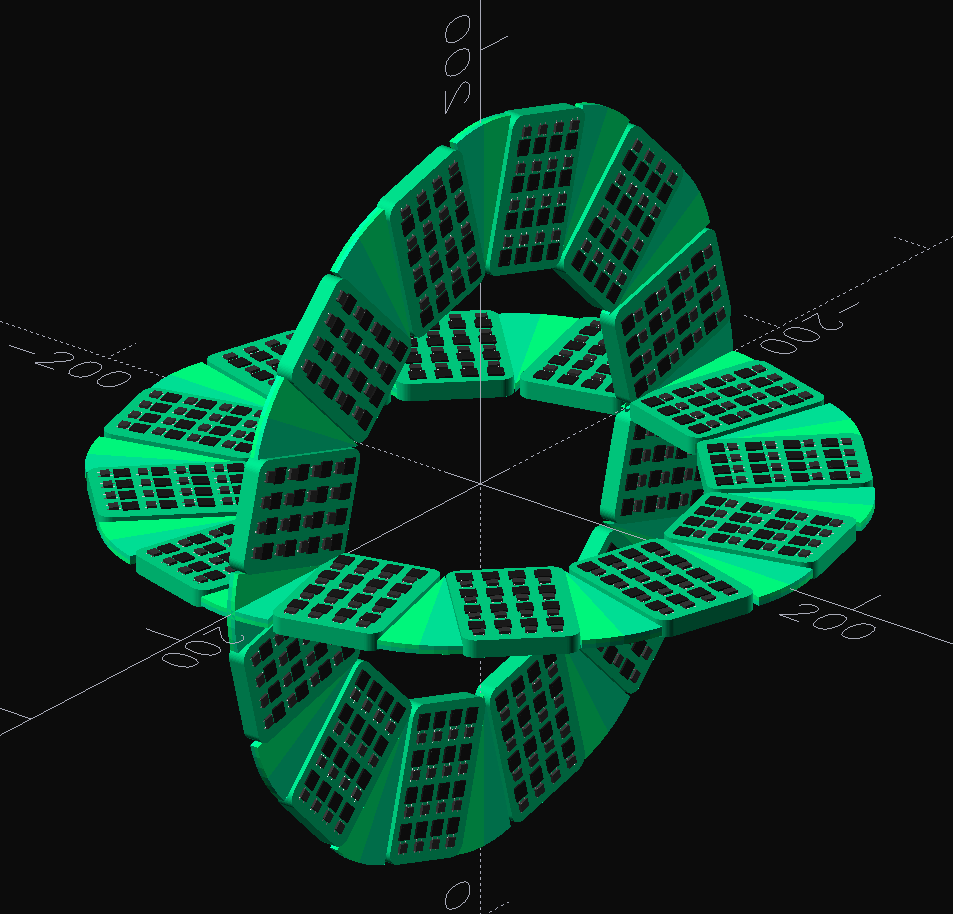
My idea is that you can use a bunch of these cheap RP2040 microcontrollers ($1 each) designed for realtime robot motor control, say 16 of them in a 4x4 grid ($16), and put them all on a PCB with APS6404L ($2 each) in a torus mesh network (total is $48 now). Working with me, Gemini has estimated that one RP2040/APS6404L pair can support simulating 50,000+ spiking neurons, and deductively that only only 20 of these tiles are necessary to simulate a frog brain in realtime. That's $48 * 20 + the JLCPCB costs of assembly and other board components. Maybe less than $1500!
Scale up and the realtime mouse brain driving a tiny car is probably in reach on a shoebox of Washingtons budget.
The jist is that neuromophic computing is in its research infancy and Jensen Huang and Lisa Su are not going to save anyone but their shareholders from 2003 with GPUs.
Although GPUs may be capable of creating forms of general and superintelligence: they are not the economical architecture to run computer programs emulating a biological brain.
At the brain preservation conference, I learned that Allen institute is taking one hour to simulate one second of a mouse brain on a supercomputer. This is a big problem both for iteration speed, and because if people are gonna be revived then ideally it would be realtime or faster!
Meanwhile, I've been working on figuring out how to reduce costs for my robot fleet's electronics and came accross this chip called RP2040. It's used for robots as a replacement for last gen ATmega328P microcontrollers.
That's when I had the idea.
Based on my analysis of the current costs of uploading a frog and human, it is currently not looking great for existing neuromorphic chips.
My idea is that you can use a bunch of these cheap RP2040 microcontrollers ($1 each) designed for realtime robot motor control, say 16 of them in a 4x4 grid ($16), and put them all on a PCB with APS6404L ($2 each) in a torus mesh network (total is $48 now). Working with me, Gemini has estimated that one RP2040/APS6404L pair can support simulating 50,000+ spiking neurons, and deductively that only only 20 of these tiles are necessary to simulate a frog brain in realtime. That's $48 * 20 + the JLCPCB costs of assembly and other board components. Maybe less than $1500!
Scale up and the realtime mouse brain driving a tiny car is probably in reach on a shoebox of Washingtons budget.